Thresholds Outpatient and Intensive Outpatient Services are person-centered, trauma-informed, and evidence-based.
Our model is to bring a comprehensive suite of services to wherever our clients are.
Thresholds provides mental health crisis response in Chicago through two programs – our Living Room and our Mobile Crisis Response Team.
The Thresholds Workforce Development Department offers workshops, conferences and other training opportunities.
Thresholds offers groundbreaking programs for adolescents, young adults, families, young mothers, and their children.
Thresholds offers services designed to integrate mental health, substance use, and primary care treatment.
Our mission is to provide data to support decision-making meant to improve quality of care, optimize health outcomes, and lower costs.
The Centers provide a wide range of mental health and substance use treatment services to their immediate surrounding communities in Ravenswood and McHenry County.
The only program of its kind in Illinois, offering services for persons with mental illnesses who are deaf or hard-of-hearing.
Thresholds’ Peer Success program is operated by consumers – those who have a lived experience of mental illness.
Thresholds is the largest provider of supported housing in Illinois and provides comprehensive services for persons experiencing homelessness.
Thresholds provides clients with the support and services needed to achieve independence to class members of the Williams Consent Decree.
Thresholds offers services to members of the armed forces who are experiencing PTSD, trauma, substance use disorders, and much more.
Thresholds’ Employment Specialists place clients in jobs of their choice to create real economic independence.
The Thresholds Creative Arts Therapy team, made up of a diverse range of trained art therapists, provides our clients tools for wellness.
MindStrong uses a multidisciplinary, evidence-informed approach to identify and treat young people at risk for or experiencing early psychosis symptoms. Early assessment and treatment are key to returning young people to a healthy and fulfilling life.
For intake, reach out to us at 773.432.6555 or email YoungAdult@thresholds.org.
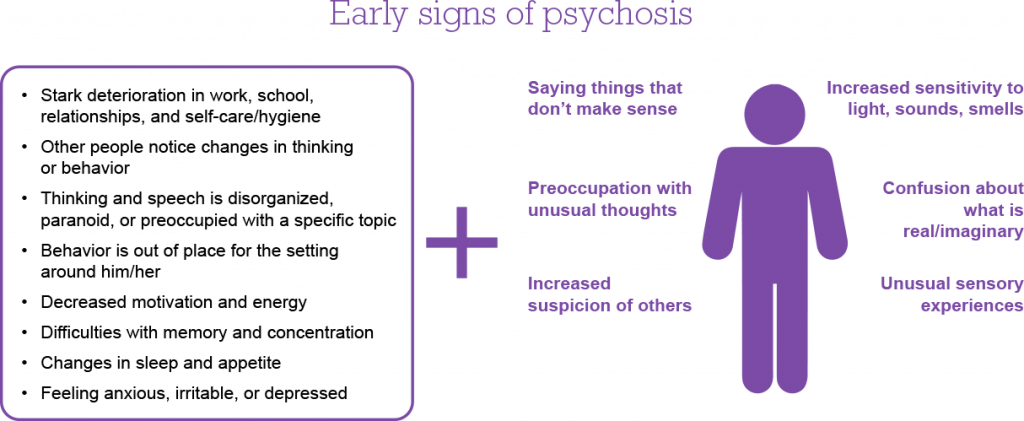
Psychosis is a complex medical condition in which changes in the brain make it difficult for a person to tell what is real and what is not. Psychosis can go undetected until the lives of a person and their family are substantially disrupted. Early psychosis experiences tend to be intermittent or happen gradually over many months. If you or a loved one identify with the experiences below, seek out treatment immediately. The earlier people experiencing signs of psychosis get help, the better the outcomes.
Psychosis affects 3 in every 100 people, regardless of race, ethnicity, sex, or socioeconomic status. Below is some information on the symptoms and early signs of psychosis.
Psychosis symptoms typically include:
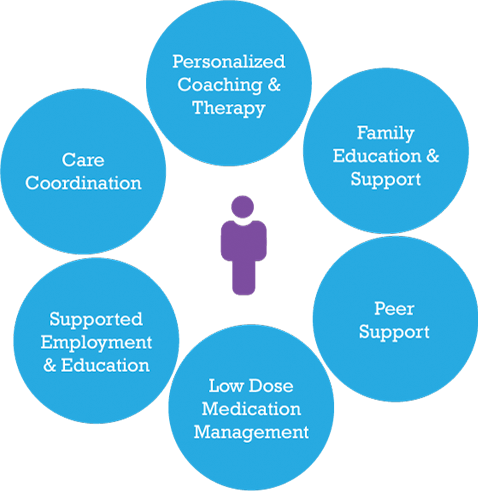
MindStrong First Episode is designed for 14-40-year-olds who have experienced symptoms of psychosis for the first time within the last 18 months. The First Episode Program utilizes the Coordinated Specialty Care model and is part of the network of First.IL providers across Illinois.
MindStrong partners with young people and families through a multidisciplinary team-based approach that integrates key elements from the most respected and scientifically validated early intervention practices. We utilize strategies that not only have the strongest evidence base but are creative and fun approaches to achieve goals. Instead of focusing solely on treating symptoms, we focus on addressing the impacts of symptoms on school, work, relationships, independence, and identity development. We are also working to teach young people, families, and greater Chicagoland how to recognize early signs of serious mental health challenges.